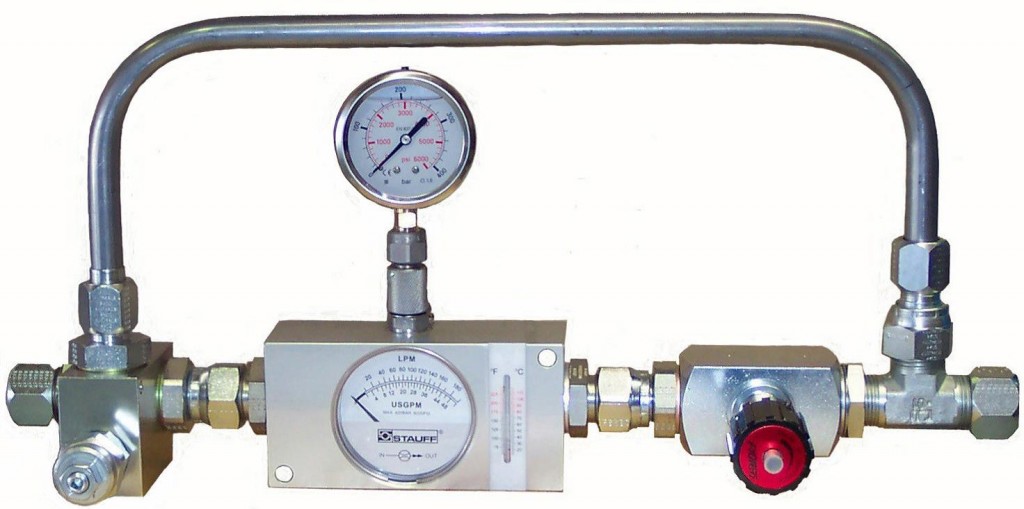
Hydraulic systems power some of Australia’s most demanding machinery across construction, mining, agriculture, manufacturing, transport, and marine industries. When hydraulic equipment begins losing power, operating slowly, or overheating, technicians need accurate diagnostic tools to identify the cause quickly and minimise costly downtime.
One of the most effective diagnostic tools is a hydraulic flow tester. By measuring hydraulic flow, pressure, and, in many cases, oil temperature, these instruments help assess pump performance, detect internal leakage, identify flow restrictions, and verify hydraulic system efficiency.
Today, technicians can choose between an analogue flow tester and a digital hydraulic flow tester, each offering distinct advantages depending on the application. Understanding the differences can help you select the right hydraulic flow meter tester for your equipment, working environment, and diagnostic requirements.
What Is a Hydraulic Flow Tester?
A hydraulic flow tester is a diagnostic instrument that measures the performance of a hydraulic system by monitoring three critical operating conditions:
- Hydraulic flow rate (L/min or GPM)
- System pressure (PSI, bar or MPa)
- Hydraulic oil temperature (on compatible models)
By measuring these values simultaneously, a hydraulic tester flow meter allows technicians to determine whether hydraulic pumps, motors, valves, and cylinders are operating within manufacturer specifications.
Unlike a standard pressure gauge that only measures pressure, a hydraulic flow meter tester provides a more complete picture of hydraulic system health. This makes it easier to diagnose worn pumps, faulty relief valves, internal leakage, cavitation, and restricted flow before major failures occur.
Analogue vs Digital Hydraulic Flow Testers
Both analogue and digital flow testers perform the same core function—measuring hydraulic system performance—but they use different technologies and are suited to different working environments.
Analogue Hydraulic Flow Testers
Analogue hydraulic flow testers use mechanical components, such as spring-loaded pistons, variable-area mechanisms, or rotary elements, to display flow and pressure readings on a physical dial.
Advantages
- No batteries or external power required
- Highly durable in harsh environments
- Resistant to vibration and pressure spikes
- Simple to operate and maintain
- Immediate visual feedback from the gauge needle
These qualities make analogue testers ideal for mobile service technicians working on excavators, tractors, loaders, forestry equipment, and mining machinery where reliability is critical.
Limitations
Analogue flow testers also have some drawbacks.
Because readings are taken from a mechanical dial, operators can experience parallax error if the gauge is viewed from an angle. They also require manual recording of test results and generally offer lower measurement accuracy than digital systems.
Mechanical components can also experience wear over time, requiring periodic calibration to maintain accuracy.
Digital Hydraulic Flow Testers
A digital hydraulic flow tester uses electronic sensors and digital displays to provide highly accurate hydraulic measurements.
Many digital models also include advanced features such as:
- Flow, pressure and temperature monitoring
- Data logging
- Peak pressure capture
- Multiple engineering units
- USB or Bluetooth connectivity
- PLC and SCADA integration
These features make digital hydraulic flow testers ideal for manufacturing facilities, automated production lines, hydraulic workshops, quality assurance testing, and applications requiring precise reporting.
Limitations
Digital hydraulic flow testers generally have a higher upfront cost and rely on batteries or external power. Their electronic components also require greater protection when used in harsh field environments with heavy vibration, dust, and moisture.
Which Hydraulic Flow Tester Is Better?
There isn’t a single answer—the best hydraulic flow tester depends on where and how it will be used.
Choose an analogue hydraulic flow tester if you:
- Perform routine field servicing
- Work on construction, mining or agricultural equipment
- Need a rugged tester that doesn’t rely on batteries
- Frequently operate in remote locations
Choose a digital hydraulic flow tester if you:
- Require higher measurement accuracy
- Need electronic data logging
- Produce compliance reports
- Integrate with PLC or SCADA systems
- Perform laboratory or workshop testing
For many heavy equipment technicians, hybrid testing solutions combine the durability of analogue pressure gauges with digital flow and temperature displays, providing the best balance between ruggedness and precision.
How to Choose the Right Hydraulic Flow Tester
When selecting a hydraulic flow meter tester, consider the type of machinery you service, the level of diagnostic detail required, and the environment in which the equipment will be used.
Flow and Pressure Capacity
Always choose a flow meter tester that matches your hydraulic system’s maximum operating flow and pressure. A tester that is undersized may not provide accurate readings and could be unsuitable for high-pressure applications.
Type of Machinery
Different industries have different diagnostic requirements.
- Construction & Earthmoving: Excavators, skid steers, wheel loaders, bulldozers, and hydraulic breakers often benefit from rugged analogue testers designed for field servicing.
- Mining & Quarrying: Heavy-duty machinery operating in remote environments requires durable hydraulic flow testers that can withstand vibration, dust, and demanding operating conditions.
- Agriculture & Forestry: Tractors, combine harvesters, balers, and forestry equipment require portable hydraulic tester flow meters that can quickly verify hydraulic performance before seasonal operations.
- Manufacturing & Industrial Plants: Hydraulic Power Units (HPUs), presses, and automated production equipment often benefit from digital hydraulic flow testers that provide high measurement accuracy and electronic reporting.
Working Environment
Your operating environment should also influence your choice.
If you’re servicing machinery on construction sites, farms, or remote mining operations, an analogue hydraulic flow tester offers exceptional durability and reliable operation without relying on batteries or electronic displays.
For workshops, testing laboratories, or industrial facilities where detailed reporting and precision measurements are important, a digital hydraulic flow tester may be the better option.
Common Problems Hydraulic Flow Testers Can Help Identify
Whether using an analogue or digital unit, hydraulic flow testers are designed to diagnose a wide range of hydraulic faults before they result in expensive equipment failures.
Common problems include:
- Worn hydraulic pumps
- Internal leakage in pumps, motors, cylinders, or valves
- Pump cavitation and aeration
- Incorrect relief valve settings
- Blocked filters and restricted hydraulic lines
- Excessive pressure losses
- Overheating caused by poor hydraulic efficiency
- Incorrect auxiliary hydraulic flow for attachments
By measuring both flow and pressure together, technicians can isolate faults more accurately and reduce unnecessary component replacement.
Frequently Asked Questions
What are the pros and cons of analogue vs digital hydraulic flow testers?
Analogue hydraulic flow testers are valued for their durability, simplicity, and ability to operate without batteries, making them ideal for field servicing and harsh environments.
Digital hydraulic flow testers offer higher measurement accuracy, electronic data logging, and advanced reporting features, making them well suited to workshops, manufacturing facilities, and precision diagnostic work.
How do I choose between an analogue and a digital hydraulic flow tester?
The best choice depends on your application.
Choose an analogue tester if you need a robust diagnostic tool for construction, mining, agriculture, or mobile field servicing.
Choose a digital hydraulic flow tester if you require precise measurements, digital reporting, trend analysis, or integration with maintenance management systems.
Can you recommend a reliable digital hydraulic flow tester for industrial use?
The most suitable digital hydraulic flow tester depends on your required flow range, operating pressure, connection type, and industry application.
Working with an experienced hydraulic supplier such as Gerrard Hydraulics ensures you select a tester that matches your equipment, operating environment, and diagnostic requirements.
Where can I buy an analogue hydraulic flow tester online?
Analogue hydraulic flow testers are available from specialist hydraulic equipment suppliers, including Gerrard Hydraulics.
When purchasing a hydraulic flow tester, choose equipment designed for industrial use with the correct pressure rating, flow capacity, and fittings for your machinery.
What are the advantages of analogue hydraulic flow testers compared to digital ones?
Analogue hydraulic flow testers offer several practical advantages:
- No batteries or external power required
- Excellent durability in harsh environments
- Resistant to dust, vibration, and pressure spikes
- Fast visual feedback through mechanical gauges
- Lower maintenance requirements
These qualities make them a trusted choice for heavy machinery servicing and remote field diagnostics.
📍 Visit us: 39 Sorbonne Crescent, Canning Vale, WA 6155
📞 Call: (08) 9455 2344
✉️ Email: admin@gerrardhydraulics.com.au