
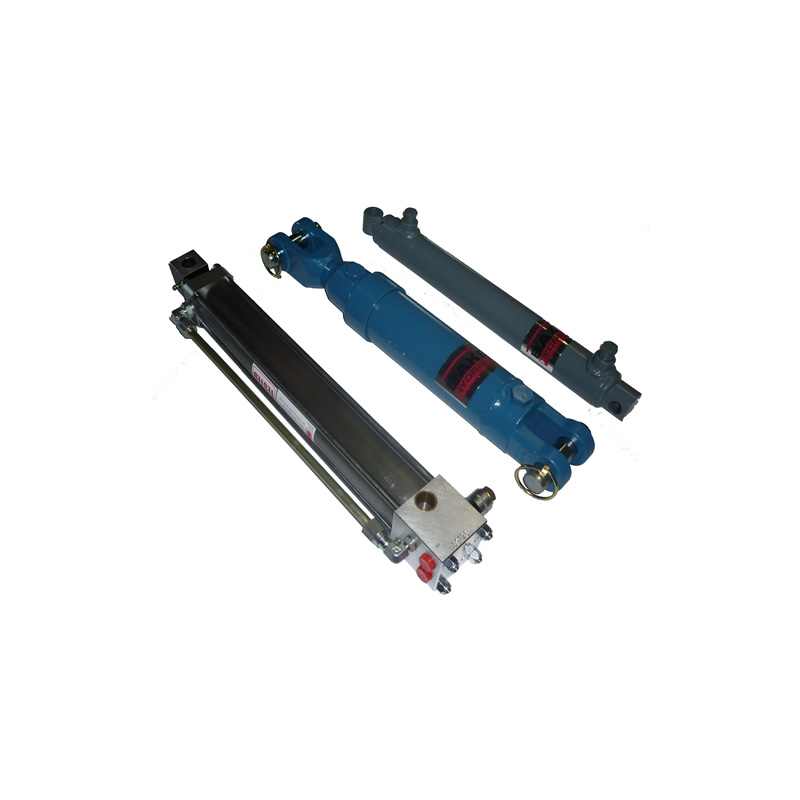
Hydraulic systems are essential across agriculture, construction, mining, transport, and manufacturing. At the centre of these systems is the hydraulic cylinder, a powerful mechanical component that converts hydraulic pressure into controlled linear motion. From lifting heavy farm implements to tipping large trailers, hydraulic cylinders allow machinery to perform demanding tasks efficiently and safely.
Understanding the different hydraulic cylinder types, how they are used, and how to maintain them properly can significantly extend equipment lifespan and reduce costly downtime. Whether you are looking to buy hydraulic cylinder components, searching for hydraulic cylinders for sale Australia, or seeking hydraulic cylinder repairs Perth, knowing how these systems work is critical for operators and maintenance teams.
Understanding Hydraulic Cylinder Usage Across Industries
A hydraulic cylinder works by using pressurised hydraulic fluid to push a piston inside a sealed barrel. As pressure builds, the piston rod extends or retracts, creating powerful movement that can lift, push, or tilt heavy loads. This design allows machinery to perform tasks that would otherwise require enormous mechanical force.
Across Australia, hydraulic cylinders are widely used in agricultural equipment, industrial machinery, transport vehicles, and construction equipment. Their reliability and strength make them essential in environments where precision movement and heavy loads are common.
Because these components operate under high pressure and often in harsh environments, proper maintenance and servicing are necessary. When issues arise, many businesses search online for hydraulic cylinders near me or a trusted hydraulic cylinders shop that can provide repair services or supply new units.
Common Hydraulic Cylinder Types and Their Applications
Agricultural Hydraulic Cylinders
Agricultural cylinders, often referred to as Ag cylinders, are among the most widely used hydraulic components in farming machinery. They are found on tractors, harvesters, seeders, and loaders, performing tasks such as lifting and lowering implements, steering systems, and controlling tillage depth.
These cylinders operate in challenging conditions where dust, mud, moisture, and fertiliser exposure are common. Over time, seals may deteriorate due to contamination or chemical exposure. Bent rods can also occur when equipment is overloaded or placed under side pressure during field operations. Corrosion is another common issue when cylinders remain exposed to standing water or fertilisers.
Maintaining agricultural cylinders involves simple but important routines. Cleaning exposed rods after dusty workdays prevents debris from entering seals, while regular lubrication of pivot points reduces wear on pins and bushings. Operators should also ensure hydraulic fluid remains clean and at the proper level, as contaminated oil can damage internal components.
Replacement may become necessary if the piston rod develops deep scoring that cannot be polished out, if the cylinder drifts under load due to internal leakage, or if cracks appear in welded sections or end caps.
Agricultural Top Link Hydraulic Cylinders
An agricultural top link hydraulic cylinder replaces the traditional manual top link found on a tractor’s three-point hitch. Instead of manually adjusting the implement angle, operators can control the tilt directly from the tractor cab using hydraulic controls.
This adjustment capability improves productivity and precision when operating implements such as ploughs, graders, or slashers. It allows operators to adjust angles while working, improving soil preparation and grading results.
One of the most common issues with hydraulic top links is failure of the pilot-operated check valve. If the valve fails, the cylinder may gradually extend or retract under load, causing implements to tilt unexpectedly. Additionally, the adjustable threaded ends may become seized or damaged over time if not properly lubricated.
Routine inspection of check valves and lubrication of threaded adjusters helps maintain reliable operation. However, if the cylinder begins drifting significantly or the mounting eyelets become deformed under heavy loads, replacement may be required.
Light Industrial Hydraulic Cylinders
Light industrial cylinders are commonly used in manufacturing plants, warehouses, and automated production systems. Their applications include operating conveyor gates, powering compactors, controlling small presses, and lifting platforms in material-handling systems.
Unlike agricultural cylinders that face environmental exposure, industrial cylinders often operate in high-cycle environments where repetitive motion places stress on seals and internal components. High temperatures generated by continuous operation can cause seals to harden or degrade, leading to leaks or inconsistent movement.
Another common issue is contamination from metal shavings or debris within manufacturing environments. If particles bypass filtration systems, they can damage internal surfaces within the cylinder barrel.
Preventative maintenance focuses on maintaining proper filtration and monitoring system temperatures. Hydraulic filters should be replaced regularly to prevent contaminants entering the system. If cylinders begin leaking oil from the gland or display jerky motion during operation, this may indicate internal wear or seal failure that requires repair or replacement.
Phasing Cylinders
Phasing cylinders are specialised hydraulic cylinders designed to ensure multiple cylinders operate in perfect synchronisation. These systems are frequently used on wide agricultural implements such as folding seeders or large tillage equipment that must extend evenly across multiple sections.
These cylinders rely on fluid displacement between connected units, ensuring that each cylinder extends or retracts at the same rate. This synchronisation is critical for maintaining equipment stability and proper alignment during operation.
Air trapped within the hydraulic system is one of the most common causes of phasing problems. Even small amounts of air can disrupt fluid displacement and cause one section of machinery to operate unevenly. Internal seal leakage can also cause cylinders to fall out of synchronisation.
Maintenance typically involves periodically performing a rephasing procedure by fully extending the cylinders and holding pressure for several seconds. This allows the rephasing valves to reset the system. Proper bleeding of hydraulic lines after hose replacements is also essential.
If cylinders repeatedly fall out of phase despite proper maintenance, or internal bypassing prevents synchronisation, replacement may be required.
Side Tipper Cylinders
Side tipper cylinders are designed for bulk transport vehicles used in industries such as mining, quarrying, agriculture, and construction. These powerful cylinders generate the force needed to tip heavy trailers sideways so materials such as ore, grain, or gravel can be unloaded quickly.
Because these cylinders operate in extremely harsh environments, they are exposed to dirt, rock dust, and high loads. One of the most common problems occurs when trailers tip on uneven ground, placing lateral stress on the cylinder that it was not designed to handle. Over time, this can lead to bent rods or damaged barrels.
Contamination from debris can also accelerate seal wear, causing hydraulic fluid leaks.
Routine inspections are essential. Operators should regularly check for dents or damage along the cylinder barrel, as even minor dents can interfere with piston movement. Cleaning the gland area around the rod also prevents debris from damaging seals.
If the chrome plating on the rod begins flaking or the cylinder barrel develops structural damage, replacement is usually the safest option.
Telescopic UBB Underbody Hoist Cylinders
The Telescopic UBB Underbody Hoist is commonly used on tipper trucks and bulk transport vehicles. These cylinders consist of multiple telescoping stages that allow a long extension stroke while remaining compact when fully retracted.
This design allows truck trays to lift at steep angles, enabling efficient unloading of materials. Because several stages slide inside one another, these cylinders contain multiple seals and moving surfaces, which increases the number of potential wear points.
One common issue is stage sticking, where one section extends or retracts out of sequence. Seal leaks between stages may also occur as components wear. Because these cylinders are usually mounted vertically, air can become trapped inside the system, leading to jerky or pulsing movement during lifting.
Maintenance involves properly bleeding air using designated bleed screws and regularly inspecting mounting bolts to ensure they remain tight. Keeping exposed rods clean is also important when cylinders remain extended for long periods.
Replacement is often required if fluid begins leaking between cylinder stages, lifting becomes inconsistent, or the telescopic sections become bent due to tipping on uneven surfaces.
Hydraulic Cylinder Repair and Preventative Maintenance
Routine maintenance and timely hydraulic cylinder repair can significantly extend the life of hydraulic equipment. Professional servicing often includes seal replacement, rod polishing, barrel honing, and pressure testing to ensure cylinders operate correctly under load.
Many businesses rely on experienced hydraulic cylinder suppliers to diagnose system problems before they lead to equipment failure. These suppliers often provide technical assessments that determine whether a cylinder can be repaired or if replacement is more cost-effective.
For industries where downtime can be extremely expensive, preventative maintenance and regular inspections are essential.
Finding Reliable Hydraulic Cylinder Suppliers in Australia
When businesses search for hydraulic cylinders for sale, they often look for suppliers who can provide both replacement units and technical expertise. Reliable suppliers offer comprehensive services including diagnostics, machining, repairs, and replacement components.
Companies operating in Western Australia frequently search for hydraulic cylinders Perth or hydraulic cylinder repairs Perth when equipment requires servicing or urgent replacement. Access to experienced local suppliers can help minimise downtime and ensure equipment is repaired correctly.
When operators and businesses need hydraulic components or servicing, they often start by searching online for trusted suppliers that specialise in heavy machinery, industrial equipment, agricultural systems, or construction applications. These searches reflect a common need across industries: finding experienced professionals who understand the technical demands of hydraulic systems and the tough environments they operate in. Working with knowledgeable specialists ensures the right components are supplied, systems are properly maintained, and equipment continues to perform reliably in demanding conditions.
Where to Buy Hydraulic Cylinders
If you are looking to buy hydraulic cylinder components, it is important to source them from reputable suppliers that provide quality engineering and reliable support. A trusted hydraulic cylinders shop will help match the correct bore size, stroke length, and mounting configuration to your equipment.
Across Australia, many suppliers offer a wide range of hydraulic cylinders for sale Australia, including agricultural cylinders, industrial cylinders, telescopic hoists, and heavy-duty tipping cylinders. Choosing the right supplier ensures not only the correct replacement component but also access to ongoing service and maintenance support.
Conclusion
Hydraulic cylinders play a critical role in powering machinery across multiple industries. From agricultural implements and manufacturing equipment to transport vehicles and construction machinery, these components deliver the strength and precision needed for demanding tasks.
Understanding the different hydraulic cylinder types, their applications, and how to maintain them properly can help businesses reduce downtime, improve safety, and extend equipment life. When repairs or replacements are required, working with experienced hydraulic cylinder suppliers ensures access to quality components and professional servicing.
Whether you are searching for hydraulic cylinders near me, planning hydraulic cylinder repairs, or exploring hydraulic cylinders for sale in Australia, reliable support and preventative maintenance are the keys to keeping your hydraulic systems operating at peak performance.
📍 Visit us: 39 Sorbonne Crescent, Canning Vale, WA 6155
📞 Call: (08) 9455 2344
✉️ Email: admin@gerrardhydraulics.com.au