Hydraulic Inline Check Valves
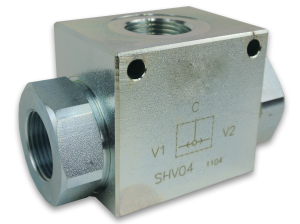
An inline check valve is a small component with a big job. It lets hydraulic fluid pass in one direction and stops it flowing back the other way, with no electrical signal, pilot line or manual control needed. Gerrard Hydraulics supplies hydraulic inline check valves from our Canning Vale branch and online, including the VUR check valve.
What Is a Hydraulic Inline Check Valve and How Does It Work?
A hydraulic inline check valve is a one-way valve installed directly in a hose or tube run. Inside the body, a poppet, ball or cone sits against a seat, held there by a light spring.
When fluid pressure at the inlet is high enough to overcome the spring, the element lifts off the seat and fluid flows through. The pressure needed to do this is called the cracking pressure. When flow stops or tries to reverse, the spring and the downstream pressure push the element back onto the seat and the passage closes.
Because it is purely pressure-operated, there is very little to go wrong. The valve simply responds to whichever side has more pressure.
How an Inline Non-Return Valve Functions in Hydraulic Circuits
An inline non-return valve is the same device as an inline check valve, and the two names are used interchangeably. Where it sits in the circuit decides what it does:
- Pump discharge line: stops fluid draining back through the pump when it shuts down, and helps protect it from pressure surges.
- Actuator branch: traps fluid on one side of a cylinder so the load is less likely to drift when the directional valve returns to neutral.
- Parallel pump or accumulator feed: isolates one branch from another so high-pressure fluid doesn’t cross-feed into a lower-pressure line.
- Bypass line: lets fluid route around a filter or restriction in one direction only.
Check valves hold pressure but are not a substitute for a purpose-built load-holding valve. For lifting applications where a dropped load is a safety risk, our range also includes lock valves, which cover pilot-operated over-centre valves.
Machinery That Uses Inline Check Valves
Inline check valves turn up wherever hydraulic fluid moves through hoses and tube runs, which is why they’re so common on mobile and retrofitted equipment. They don’t need a manifold block, so they suit tight spaces and quick hose-line repairs.
- Tractors and implements: front-end loaders, three-point hitch and top link circuits, where they help keep attachments raised during transport.
- Harvesters, balers and air seeders: header lift and clamping circuits, and lines that run through quick-connect hoses.
- Excavators and backhoes: boom, arm and bucket circuits, where they help protect pumps from shock loads.
- Loaders, cranes and elevated work platforms: tilt, lift and outrigger circuits.
- Forklifts, tipping trailers, dump trucks and tail lifts: tilt and hoist circuits on compact, chassis-mounted systems.
- Hydraulic presses, injection moulding machines and clamping fixtures: holding pressure in a ram or clamp while the pump unloads.
- Log splitters, compactors, winches and deck cranes: grapple, packer and winch circuits where fluid needs to stay on a single path under load.
These are typical uses rather than a compatibility list. Whether a valve suits your machine depends on its flow, pressure, thread type and fluid.
Industries That Use Inline Check Valves
Demand is highest in industries that run mobile equipment, heavy lifting systems and continuous-duty machinery, where hose-based circuits and regular hose repairs are part of everyday maintenance.
- Agriculture and forestry: equipment relies on flexible hoses and quick-connect attachments, so simple inline circuit isolation is a practical fit.
- Construction and earthmoving: mobile fleets work under constant shock loads, and inline valves add protection without bulky manifolds.
- Mining and quarrying: high pressure, vibration and remote service conditions favour rugged, easily replaced inline valves.
- Manufacturing and industrial: central power units feed multiple presses, clamps and actuators, and check valves help isolate each branch.
- Transport and waste handling: compact chassis-mounted circuits leave little room for valve blocks.
- Marine and offshore: deck machinery and steering systems operate in saltwater conditions, where material and seal selection matters.
Choosing the Right Inline Check Valve
Check valves are simple, but sizing matters. An undersized valve restricts flow and makes heat. An oversized one can chatter at low flow. Before you order, work out:
- Peak flow rate. Use the highest flow that will pass through the valve, usually the pump’s maximum output, or more if a cylinder or accumulator can discharge into the line quickly. Compare it with the pressure-drop curve in the datasheet rather than relying on port size alone.
- Working pressure. The valve’s rating needs to sit comfortably above your relief valve setting, with allowance for shock loads in mobile or dynamic equipment.
- Cracking pressure. A lighter spring means less pressure loss and easier opening. A heavier spring adds constant back-pressure, which is only worthwhile if the circuit needs it.
- Connection type. Match the thread standard to your hoses and fittings, such as BSPP, BSPT, NPT or SAE. Mixing standards leads to leaks or extra adapters that add restriction.
- Fluid and operating temperature. Seal material should suit the oil and the temperature range it runs in.
A datasheet for the VUR check valve is available on this page. If you’re replacing a valve with no markings left, the flow direction, port size and thread type are the first things to identify.
Common Problems and How to Troubleshoot Them
Check valves rarely fail on their own. Contamination, pressure spikes and incorrect installation account for most problems. Always depressurise the circuit and lower any raised loads before touching a valve or fitting.
- Cylinder drifts or pressure bleeds off. Dirt or wear on the seat is letting fluid past. Flush the line and inspect or replace the valve. Dirt can also hold the poppet off its seat.
- No flow, or sluggish operation. The valve may be fitted backwards. Check the flow arrow on the body, which is a common mistake after hose changes. A jammed poppet or an incorrect spring rating can also cause it.
- Chattering or hammering. This often means the valve is too large for the flow, or pump flow is pulsing. Check the sizing against actual flow.
- Weeping at the threads. Look at O-rings and seals, and check the torque. Hold the valve body with a second spanner when tightening so the body doesn’t twist.
- Repeat failures. If new valves keep failing, look at the oil. Replacing a valve without dealing with dirty or overheated fluid usually just repeats the problem.
Most compact inline check valves are non-serviceable, so replacement is usually quicker and cheaper than a rebuild.
Keeping Inline Check Valves Working
Maintenance is mostly about the system around the valve:
- Keep the oil clean. Fine grit is the main cause of scored seats. Change filters on schedule and keep breathers in good condition.
- Watch operating temperature. Oil that runs hot for long periods builds varnish, which can make poppets stick and harden seals.
- Do regular checks. For mobile and heavy-duty equipment, look for weeping and unusual noise at pre-start or daily checks. At service intervals, check fittings for tightness and test whether the load holds in neutral.
- Replace on critical circuits. Where a valve protects a safety-critical function, replace it at major service rather than waiting for it to fail. Follow your equipment manufacturer’s schedule, as duty cycle and environment vary widely.
Inline Check Valve FAQs
What is the difference between a check valve and a non-return valve?
Nothing in practice. Both names describe a valve that allows flow one way and blocks the other.
Can a check valve hold a cylinder in position?
It can reduce drift by trapping fluid, but for applications where a load must be held safely, a pilot-operated lock valve is usually the right choice.
How do I know which way to install it?
Follow the flow arrow on the valve body. Flow should go in the direction of the arrow.
Can I buy online?
Yes. You can browse and order through our online shop.
Do you stock other inline valves?
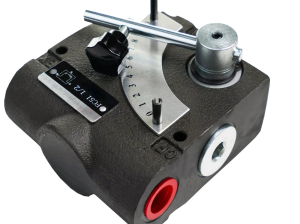
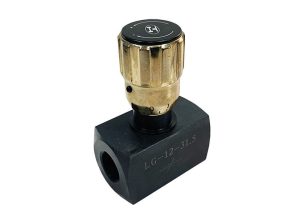
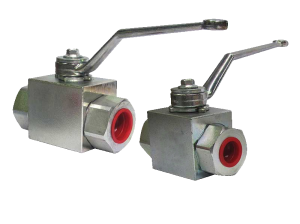
Yes. Our inline valve range also includes ball valves, needle valves, shuttle valves, pressure-compensated flow controls and lock valves.
Why Buy from Gerrard Hydraulics
We supply and service hydraulic components for agricultural, industrial and mobile equipment across Western Australia. We keep parts on the shelf, and our workshop team can repair, test and diagnose hydraulic components, which matters when a machine is down and you need it running again.
Enquire About Hydraulic Inline Check Valves
Need a replacement or want a second opinion on sizing? Get in touch with the team.
Gerrard Hydraulics
📍 39 Sorbonne Crescent, Canning Vale WA 6155
📞 (08) 9455 2344
✉ admin@gerrardhydraulics.com.au